





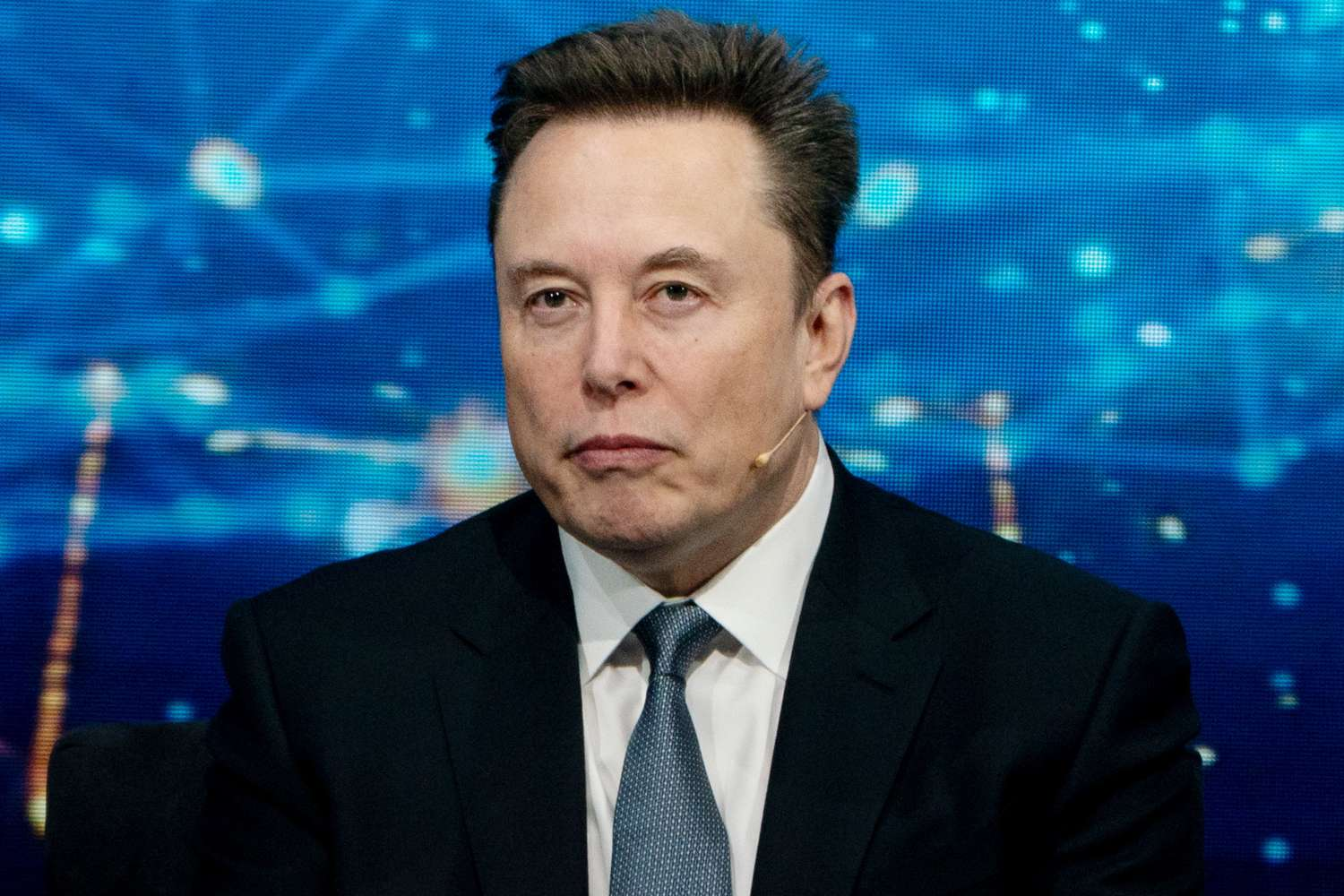

Elon Musk fortune estimates have crossed a historic threshold after SpaceX’s record-breaking public listing pushed the entrepreneur’s net worth above $1 trillion.
The SpaceX IPO has become one of the defining financial events of 2026. The company priced its shares at $135, opened near $150 and surged during early trading, pushing its market value beyond $2 trillion. Reuters reported that SpaceX raised about $75 billion, making it the largest initial public offering in history.
Forbes declared Musk the world’s first trillionaire after the listing lifted the value of his SpaceX holdings and placed his estimated net worth at about $1.1 trillion.
The milestone is more than a rich-list headline. It is a sign of how global markets now reward companies linked to future infrastructure: rockets, satellites, broadband networks, artificial intelligence, electric vehicles and space-based systems.
Musk’s rise also raises a difficult question for the modern economy. Is the first trillionaire proof of unmatched innovation, or is it evidence that technology wealth has become too concentrated?
The answer depends on how investors, policymakers and the public interpret the next phase of SpaceX’s journey as a public company.
Quick Facts About Elon Musk’s Trillion-Dollar Milestone
| Category | Detail |
|---|---|
| Person | Elon Musk |
| Milestone | First publicly recognised trillionaire |
| Main trigger | SpaceX IPO |
| Exchange | Nasdaq |
| IPO price | $135 per share |
| Opening price | Around $150 per share |
| Capital raised | About $75 billion |
| SpaceX valuation | Above $2 trillion during trading |
| Forbes estimate | About $1.1 trillion net worth |
| Main wealth sources | SpaceX, Tesla and other ventures |
| Key debate | Innovation, valuation and wealth concentration |
Why Musk’s Fortune Has Reached a New Level
Musk’s fortune reached a new level because SpaceX moved from private valuation to public-market pricing.
Before the IPO, SpaceX was already one of the world’s most valuable private companies. But private-company valuations are less visible because they depend on funding rounds, investor assumptions and limited share transactions.
The Nasdaq listing changed that.
Once SpaceX began trading publicly, investors created a live market price for the company. Because Musk owns a large stake, that market price immediately affected his estimated wealth.
This is how founder fortunes often grow.
The founder does not receive the full amount in cash. Instead, wealth is calculated from ownership stakes, stock options and company valuations.
Musk’s trillion-dollar status is therefore mostly paper wealth. It can rise or fall with SpaceX and Tesla share prices.
Still, the milestone is powerful because markets have never before placed such visible personal wealth behind one individual.
SpaceX Is Now a Public-Market Giant
SpaceX’s IPO turned the company from a private technology icon into a public-market giant.
The company is best known for reusable rockets, but investors are clearly valuing much more than launch services. SpaceX now sits across aerospace, satellite communications, broadband infrastructure, government contracts and future space systems.
That broad exposure makes the company difficult to compare with traditional aerospace firms.
It is not only building rockets. It is building an ecosystem.
Starlink gives SpaceX a recurring-revenue satellite internet business. Government contracts give it strategic importance. Launch services give it operational strength. Long-term space infrastructure gives it a powerful future narrative.
This mix helped SpaceX achieve one of the highest valuations ever seen at a market debut.
Why Starlink Matters to Investors
Starlink is central to the SpaceX investment story.
Rocket launches are dramatic, but satellite internet creates recurring revenue. That is the type of business model public investors often value highly.
Starlink can serve homes, businesses, aircraft, ships, governments and remote regions. Its global reach gives it a market opportunity that extends far beyond traditional space launches.
The network also benefits from SpaceX’s vertical structure.
SpaceX can design satellites, launch them on its own rockets and operate the service directly. That gives the company control over deployment speed, cost and customer access.
If Starlink continues to grow, it could become one of the most important communications networks in the world.
That possibility is a major reason investors are willing to value SpaceX so aggressively.
The Investor Bet Behind the $2 Trillion Valuation
A valuation above $2 trillion is not based only on current performance.
It is a bet on future dominance.
Investors are betting that SpaceX will keep leading in launches, expand Starlink, win major government and commercial contracts, and build new revenue streams in space infrastructure.
They are also betting on Musk’s ability to execute ambitious plans.
That confidence comes from past performance. Tesla helped reshape the electric vehicle market. SpaceX changed the economics of rocket launches. Starlink expanded satellite broadband faster than many expected.
But every future bet carries risk.
At this valuation, SpaceX must deliver extraordinary growth to satisfy the market. Any major disappointment could trigger volatility.
Why the IPO Could Change Wall Street
The SpaceX IPO may influence how Wall Street handles future mega-listings.
Many large private technology companies have delayed IPOs in recent years. They had access to private funding and wanted to avoid public-market volatility.
SpaceX may change that calculation.
Its record listing shows that public investors still have appetite for massive technology offerings when the company has a strong brand, large market opportunity and credible growth story.
This could encourage other private giants in artificial intelligence, robotics, defence technology, energy and advanced computing to consider public listings.
However, SpaceX’s performance after the debut will matter.
If the shares remain strong, confidence in mega-IPOs may grow. If the stock struggles, future issuers may face more sceptical investors.
Why Musk’s Wealth Is Controversial
Musk’s trillionaire milestone will inspire praise and criticism.
Supporters will say it reflects innovation. They will argue that Musk built companies that changed cars, rockets, satellite internet and future technology. From that perspective, the fortune is a reward for building difficult businesses that opened new markets.
Critics will see a different story.
They will argue that a personal fortune above $1 trillion shows an extreme concentration of wealth and power. They may also question whether private individuals should control companies involved in strategic infrastructure such as satellites, internet connectivity and space access.
Both arguments are likely to grow stronger now that Musk has crossed the trillion-dollar line.
The debate will not only be about money. It will be about influence.
What This Means for SpaceX Employees
The IPO is also a major moment for SpaceX employees.
Public listings often create liquidity for staff who hold shares or stock options. Employees who joined during earlier, riskier stages may now see major financial rewards.
That can boost morale and validate years of difficult technical work.
But it can also create challenges.
After IPOs, companies sometimes experience cultural shifts. Early employees may sell shares or leave. New public-market expectations can change internal priorities. Management may need to balance mission-driven culture with shareholder demands.
For SpaceX, keeping talent motivated after such a large listing will be important.
The company’s future depends on engineering execution, not only investor excitement.
What This Means for Tesla
Tesla remains a major part of Musk’s wealth, but SpaceX’s public debut changes the market’s view of his business empire.
For years, Tesla was the main public stock tied to Musk’s fortune. Investors who wanted direct exposure to Musk’s vision often focused on Tesla.
Now SpaceX gives them another option.
That may shift attention and capital between the two companies. Some investors may prefer Tesla’s electric vehicle, battery and robotics story. Others may see SpaceX as the more powerful long-term infrastructure play.
This also increases scrutiny of Musk’s time.
Public investors in both companies will want confidence that he can manage responsibilities across Tesla, SpaceX, xAI, X, Neuralink and other ventures.
What This Means for Global Wealth Rankings
The trillionaire milestone changes how global wealth rankings are discussed.
For decades, the richest people in the world were billionaires. Some fortunes moved above $100 billion, then $200 billion, then higher. But $1 trillion remained a theoretical level.
Musk has now crossed that line in public estimates.
This does not mean the ranking is permanent. If SpaceX shares fall, Musk could drop below $1 trillion. If they rise, his lead could widen.
Still, the psychological barrier has been broken.
The world’s wealth rankings now have a new top category.
The Public-Market Pressure Now Begins
The hardest part for SpaceX may begin after the celebration.
Public investors will demand results. Analysts will monitor revenue, margins, losses, contracts, Starlink subscriber growth, launch activity, capital expenditure and long-term strategy.
The company must now prove it deserves a valuation above $2 trillion.
That will not be easy.
SpaceX operates in capital-intensive industries. Rockets, satellites and space systems require massive investment and carry technical risk. Delays and failures can be expensive.
The company also faces a more complicated governance environment as a public firm.
Investor enthusiasm may be strong now, but public markets are impatient when expectations are missed.
Why This Story Matters Beyond Finance
This story matters beyond finance because SpaceX operates in systems that could shape the future.
Satellite broadband can affect internet access. Rocket launches affect space research, defence and commercial activity. Space infrastructure may influence communications, data systems and global security.
When a company like SpaceX becomes one of the world’s most valuable public companies, its decisions matter widely.
Musk’s trillionaire status is therefore not simply a personal success story. It reflects the growing importance of private technology companies in areas once dominated by governments.
That shift will shape debates about regulation, competition, public interest and national security.
Key Takeaways
- Elon Musk has become the first publicly recognised trillionaire.
- SpaceX’s Nasdaq debut pushed his estimated wealth above $1 trillion.
- SpaceX priced its IPO at $135 per share.
- Shares opened near $150 and later traded higher.
- Reuters reported that SpaceX raised about $75 billion.
- SpaceX’s valuation moved above $2 trillion during trading.
- Forbes estimated Musk’s wealth at about $1.1 trillion after the listing.
- Musk’s fortune is mostly paper wealth tied to company stakes.
- Starlink is a key part of SpaceX’s valuation story.
- The IPO may encourage other major private technology companies to list.
- The milestone raises questions about wealth concentration, innovation and private control of strategic infrastructure.
- SpaceX now faces public-market pressure to justify its valuation.
Frequently Asked Questions
Why did Elon Musk’s fortune cross $1 trillion?
Elon Musk’s fortune crossed $1 trillion because SpaceX’s IPO created a public market valuation for his large ownership stake in the company.
What was SpaceX’s IPO price?
SpaceX priced its IPO at $135 per share.
What did SpaceX shares open at?
SpaceX shares opened around $150 per share.
How much did SpaceX raise?
SpaceX raised about $75 billion, according to Reuters.
What is SpaceX valued at?
SpaceX traded above a $2 trillion valuation during its market debut.
Is Elon Musk’s $1 trillion fortune cash?
No. Most of Elon Musk’s fortune is tied to shares, stock options and company valuations.
Can Elon Musk lose trillionaire status?
Yes. If SpaceX or Tesla shares decline, his estimated net worth could fall below $1 trillion.
Why is Starlink important?
Starlink is important because it gives SpaceX a recurring satellite internet business with global growth potential.
Why is Musk’s trillionaire status controversial?
It is controversial because it highlights both major innovation and extreme concentration of wealth and influence.
What happens next for SpaceX?
SpaceX must now meet public-market expectations, prove its valuation and continue growing its launch, Starlink and space infrastructure businesses.
Conclusion
Elon Musk’s fortune crossing $1 trillion is a landmark moment in the history of business and markets.
The SpaceX IPO did more than create a record public listing. It turned the space company into a public-market giant, pushed Musk into trillionaire territory and opened a wider debate about the future of wealth.
The milestone reflects investor belief in rockets, satellites, Starlink and space infrastructure. It also reflects the scale of founder wealth in modern technology markets.
Now the attention shifts from the IPO to execution.
SpaceX must prove that its enormous valuation is justified. Musk must show he can manage growing scrutiny across his business empire. Investors must decide whether the company’s future is worth the premium they are paying.
For now, the message from the market is clear.
The trillionaire era has arrived, and Elon Musk is its first symbol.