
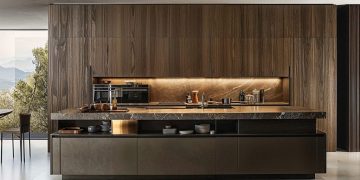
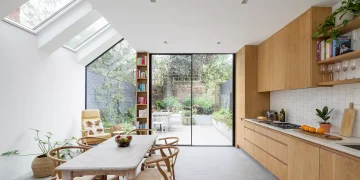





Invisible Kitchen Design is redefining how modern kitchens function, shifting focus from visible appliances to seamless integration. Instead of showcasing technology, today’s kitchens embed it into architecture, creating spaces that feel calm, functional, and visually unified.
Traditionally, kitchen technology stood out. Stainless steel appliances, exposed controls, and large extractor hoods signaled performance and innovation. However, as open-plan living became more common, this approach began to change. Kitchens now share space with living areas, which means they must blend rather than dominate.
As a result, Invisible Kitchen Design prioritizes integration over expression. Appliances no longer act as standalone features. Instead, designers embed them into cabinetry, worktops, and structural elements. This shift allows the kitchen to coexist naturally with surrounding spaces.
Importantly, the change is not about removing technology. Rather, it is about repositioning it. Technology still plays a central role, but it no longer competes for attention. Therefore, the focus shifts toward performance without visual clutter.
One example of this approach appears in integrated cooking systems. These combine induction cooking and extraction into a single surface. Instead of placing a hood above the stove, the extraction system operates within the worktop. Consequently, the design eliminates bulky overhead elements while improving efficiency.
This type of system also introduces flexible cooking zones. Users can merge multiple zones to accommodate larger cookware. At the same time, touch controls and lighting integrate directly into the surface. As a result, interaction becomes more intuitive and streamlined.
The concept behind Invisible Kitchen Design extends beyond appliances. Materials now play a more active role in performance. Modern surfaces offer durability, resistance, and hygiene while maintaining a clean visual appearance.
For instance, advanced materials combine natural elements with engineered processes. These surfaces resist heat, scratches, and chemicals. Therefore, they support everyday use without compromising design. In addition, their non-porous nature improves hygiene and reduces maintenance.
Large-format materials also contribute to visual continuity. Designers now create uninterrupted surfaces from worktops to splashbacks. As a result, the kitchen appears as a single, cohesive plane rather than a collection of separate elements.
At this point, some may confuse this trend with minimalism. However, the two concepts differ significantly. Minimalism focuses on reducing elements. In contrast, Invisible Kitchen Design reorganizes complexity rather than removing it.
In fact, modern kitchens often contain more technology than before. They include advanced cooking systems, lighting, climate control, and smart features. However, these components remain hidden within the design. Therefore, the space feels simpler even though it is more advanced.
This approach also requires careful planning. Designers must consider electrical systems, ventilation, and structural details early in the process. As a result, the final design appears effortless, even though it involves complex coordination behind the scenes.
Another key advantage is flexibility. Unlike traditional minimalism, which often limits material choices, invisible kitchens allow for expressive finishes. Designers can use textured surfaces, bold colors, and natural materials without disrupting visual harmony.
Furthermore, Invisible Kitchen Design reflects changing user expectations. Homeowners no longer seek visible technology as a status symbol. Instead, they value convenience, efficiency, and seamless interaction. Therefore, the design prioritizes how systems perform rather than how they look.
This shift also improves everyday living. A well-integrated kitchen reduces distractions and enhances usability. At the same time, it creates a more comfortable environment for both cooking and social interaction.
Ultimately, the rise of Invisible Kitchen Design represents a natural evolution. It combines advancements in technology, materials, and spatial planning. Together, these elements create kitchens that support modern lifestyles without overwhelming the space.
The key takeaway is clear. Technology has not disappeared. Instead, it has moved into the background, where it works quietly and efficiently. As a result, design finally aligns with how people use their kitchens today.
In the end, this transformation is not about making kitchens invisible. It is about making them smarter, more adaptable, and more connected to the way people live.