







Introduction
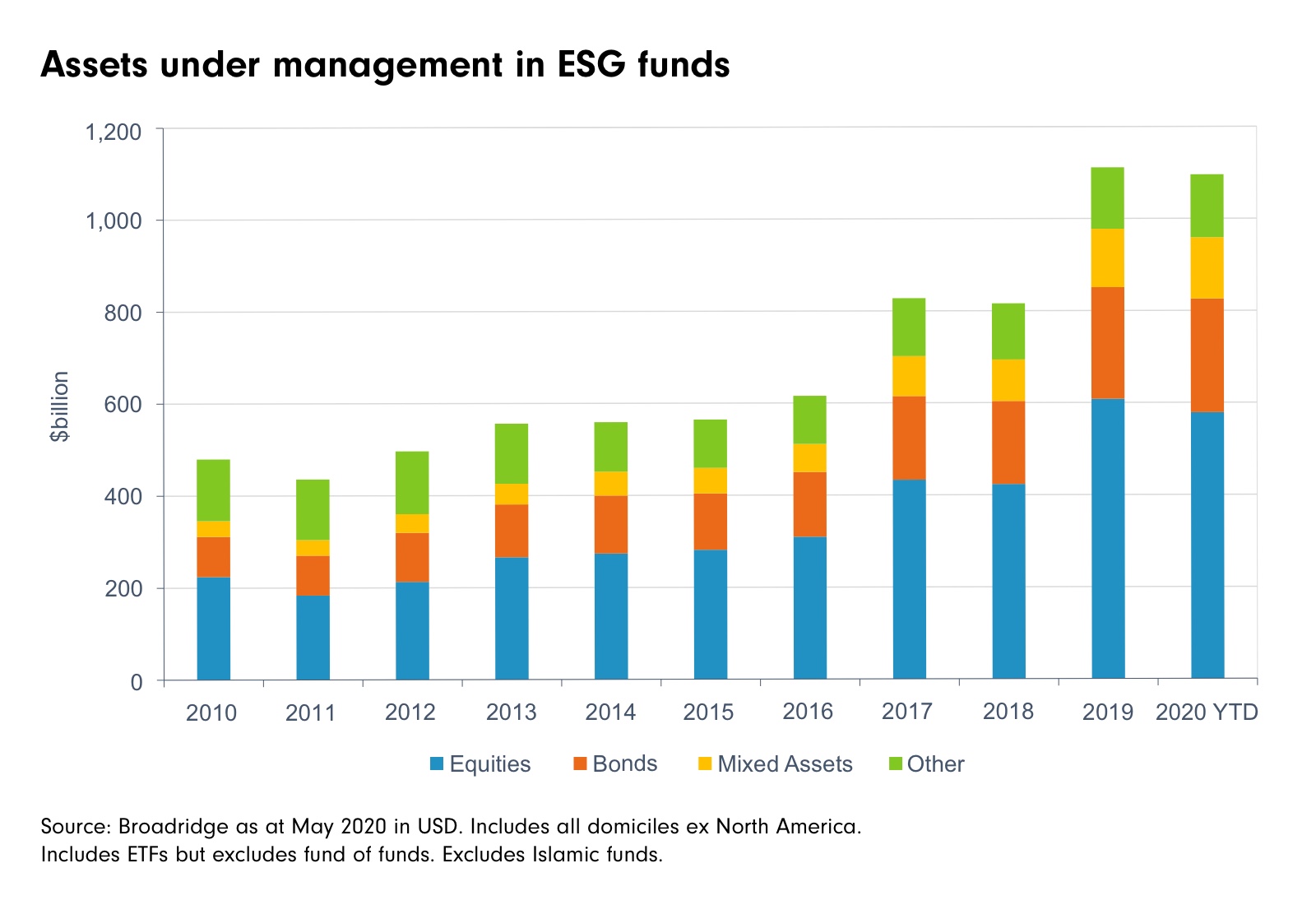
Environmental, Social, and Governance (ESG) investing has gained substantial momentum in recent years, as more investors look to align their portfolios with their values. ESG investing refers to the integration of non-financial factors—such as a company’s environmental impact, social responsibility, and governance practices—into investment decision-making. But how does ESG investing actually affect asset performance, and what does it mean for investors looking for returns?
In this article, we’ll explore the growing influence of ESG factors on asset performance, examine the relationship between sustainability and financial returns, and discuss how ESG investing can be incorporated into portfolios to achieve both financial success and social impact.
Understanding ESG Investing
ESG investing is a strategy that evaluates companies based on their performance in three key areas:
- Environmental: How a company manages its environmental impact, including its carbon footprint, resource usage, waste management, and efforts to combat climate change.
- Social: How a company interacts with its stakeholders, including employees, customers, and communities. Social factors include workplace conditions, diversity, human rights practices, and customer satisfaction.
- Governance: How a company is governed, including the structure and behavior of its board of directors, executive compensation, shareholder rights, and corporate transparency.
By integrating these factors, ESG investors aim to select companies that are not only financially strong but also responsible in their operations, contributing to broader social and environmental goals.
The Impact of ESG Factors on Asset Performance
1. Risk Mitigation and Long-Term Stability
ESG investing has been shown to help mitigate risk, particularly in the long term. Companies that score highly on ESG metrics are often better at managing risks related to environmental regulations, social unrest, and poor governance practices. For instance, companies with strong environmental policies are less likely to face fines or reputational damage due to regulatory changes, environmental accidents, or negative public perceptions.
Governance issues, such as poor management practices or lack of transparency, can also impact a company’s financial performance. Companies that adhere to solid governance principles are typically better at navigating economic downturns, handling legal challenges, and maintaining investor confidence.
As a result, incorporating ESG factors into investment decisions can help improve long-term portfolio stability, with a lower likelihood of significant financial losses caused by avoidable risks.
2. Positive Financial Returns
While some critics argue that ESG investing may come at the expense of financial returns, there is growing evidence to suggest that companies with strong ESG performance often outperform their peers in terms of financial returns. Studies have shown that ESG-focused companies tend to have better operational efficiencies, stronger customer loyalty, and a more engaged workforce, all of which contribute to higher profitability and growth.
Moreover, as more institutional and retail investors flock to ESG assets, the demand for high-performing ESG stocks has increased, driving up their market value. Over time, the focus on sustainability and ethical investing is likely to influence market dynamics, rewarding companies that prioritize ESG factors with higher stock prices and stronger capital performance.
3. Attracting Institutional Investors and Capital
Institutional investors, such as pension funds, endowments, and insurance companies, have increasingly turned to ESG investing in response to both regulatory pressure and growing demand from stakeholders. Governments around the world are introducing policies and regulations that encourage or mandate ESG disclosures, which further influences institutional investment decisions.
Additionally, ESG investing is attracting younger generations of investors who are more focused on sustainability and ethical business practices. This shift in investor behavior is leading to increased capital flowing into ESG-compliant companies and funds, further boosting their market performance.
4. Performance in Economic Downturns
Companies with strong ESG practices are often better equipped to weather economic downturns. This is because ESG-driven companies tend to have resilient business models, strong risk management frameworks, and loyal customer bases. During periods of economic stress or market volatility, businesses that have already invested in sustainability, diversity, and good governance often have a competitive edge, making them less vulnerable to external shocks.
For example, companies that adopt climate-friendly technologies may avoid costly environmental penalties and supply chain disruptions, while businesses with a strong social focus tend to have more engaged and productive workforces, reducing the risk of labor strikes or talent shortages during economic slowdowns.
How to Incorporate ESG Investing Into Your Portfolio
Investors looking to incorporate ESG investing into their portfolios can take several approaches:
- Direct ESG Investing: This involves selecting individual stocks or bonds of companies that meet specific ESG criteria. Investors can screen companies based on their ESG scores or ratings, which are provided by firms like MSCI, Sustainalytics, and others.
- ESG Mutual Funds and ETFs: For investors who prefer a more diversified approach, ESG-focused mutual funds and exchange-traded funds (ETFs) are a great option. These funds invest in companies with strong ESG performance and allow investors to gain exposure to a broad range of sectors and geographies.
- Impact Investing: Impact investing goes a step further by focusing on companies or projects that are specifically designed to generate measurable social or environmental benefits, alongside financial returns. This can include investments in renewable energy, affordable housing, and education.
- Engagement and Shareholder Advocacy: Some investors may choose to engage with companies directly, using their shareholder status to advocate for improved ESG practices. This could involve pushing for more transparency, better governance structures, or more sustainable environmental practices.
The Future of ESG Investing
As awareness of environmental and social issues grows, ESG investing is likely to become an even more integral part of financial markets. More companies are recognizing the importance of incorporating sustainability and ethical considerations into their business models, not just as a way to attract investors, but as a means of future-proofing their businesses.
In the future, we may see even more sophisticated tools and platforms that allow investors to integrate ESG factors seamlessly into their investment strategies. The continuous evolution of ESG metrics and data transparency will also make it easier to track the performance of ESG investments, creating a more standardized approach to sustainable investing.
Conclusion
ESG investing is transforming how investors approach asset management and portfolio optimization. By incorporating environmental, social, and governance factors into investment strategies, investors can not only achieve strong financial returns but also contribute to a more sustainable and responsible global economy. As more companies prioritize ESG issues, the financial performance of these companies is expected to improve, providing long-term benefits for investors who choose to integrate ESG principles into their portfolios.