







Introduction
Artificial Intelligence (AI) is transforming industries across the globe, and asset management is no exception. In the financial world, asset management refers to the management of investments, portfolios, and other assets to maximize returns and minimize risk. Traditionally, asset management has been a highly manual process, with decisions driven by human analysts and portfolio managers. However, AI has introduced a new level of efficiency and sophistication to this field, enabling better decision-making, improved optimization, and enhanced performance.
In this article, we will explore the role of AI in asset management and optimization, discussing how AI technologies are revolutionizing the way assets are managed, optimized, and allocated in today’s dynamic financial markets.
What is Asset Management and Optimization?
Asset management involves the professional management of various types of assets, such as stocks, bonds, real estate, or alternative investments. The goal is to grow the value of these assets over time while managing risk.
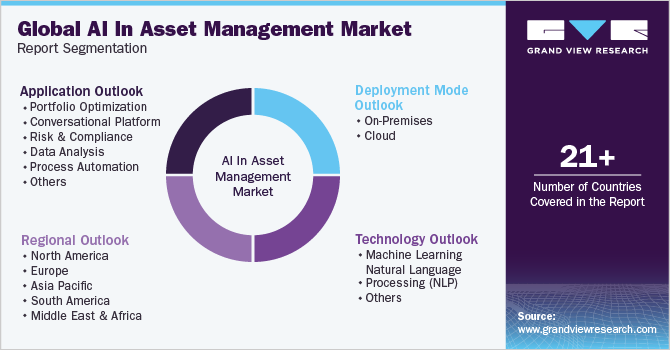
Optimization in asset management refers to the process of making the most effective use of available assets, typically by balancing risk and return. This is often achieved through the strategic allocation of resources, diversification, and the use of financial instruments to maximize returns.
With AI, asset managers are equipped with powerful tools to analyze vast amounts of data, uncover insights, and make more informed decisions that lead to optimized portfolios and better financial outcomes.
How AI is Transforming Asset Management
1. Enhanced Data Analysis and Insights
One of the most significant advantages of AI in asset management is its ability to process and analyze massive datasets in real time. Traditional asset management relied heavily on human analysts to sift through financial reports, market data, and economic indicators to make informed decisions. However, AI-powered algorithms can quickly process millions of data points, identify patterns, and generate insights that would take humans much longer to uncover.
- Machine Learning Models: Machine learning (ML), a subset of AI, allows algorithms to “learn” from historical data and continuously improve their predictions. For example, AI models can predict stock price movements, analyze market trends, and assess macroeconomic factors with greater accuracy than traditional methods.
- Natural Language Processing (NLP): NLP allows AI to analyze unstructured data, such as financial news articles, social media posts, or earnings reports. By doing so, AI can extract valuable insights from diverse sources, helping asset managers make timely and informed decisions.
2. Portfolio Optimization and Risk Management
AI technologies are revolutionizing the way portfolios are constructed and optimized. Machine learning algorithms can analyze historical market data to identify the best asset allocation strategies that maximize returns while minimizing risk. This process is known as portfolio optimization.
- Dynamic Asset Allocation: AI can dynamically adjust portfolios based on real-time market conditions, economic changes, and shifts in investor sentiment. This allows asset managers to take a more proactive approach to risk management, rather than relying on static models.
- Predictive Analytics: AI-powered predictive models can forecast potential market downturns or price fluctuations, enabling asset managers to hedge against risks and protect portfolio value. These models also help in determining which assets are likely to outperform or underperform in the near future.
By automating these processes, AI enables asset managers to make better, faster decisions with a higher degree of precision, ensuring that portfolios are always optimized for maximum returns.
3. Personalized Investment Strategies
AI’s ability to analyze individual investor preferences and financial goals is transforming how asset management firms design personalized investment strategies. Using AI tools, asset managers can tailor portfolios to meet the specific needs of each client, whether it’s for wealth preservation, growth, or income generation.
- Behavioral Finance: AI can also help asset managers understand investor behavior and sentiment. By analyzing past investment decisions, risk tolerance, and financial goals, AI can craft strategies that align with an individual’s unique preferences, leading to more customized, client-centric solutions.
- Robo-Advisors: AI-powered robo-advisors are a growing trend in the asset management industry. These platforms use algorithms to create and manage personalized investment portfolios for clients, making asset management more accessible and affordable for retail investors.
4. Automation and Efficiency
AI is automating many of the routine tasks involved in asset management, from trade execution to reporting. This automation allows asset managers to focus on higher-level decision-making while AI handles the more time-consuming, repetitive tasks.
- Algorithmic Trading: AI-driven algorithmic trading systems are capable of executing high-frequency trades based on predefined criteria. These systems can process vast amounts of data in real time, making trades at speeds and accuracies that humans cannot match. This not only improves efficiency but also reduces the chances of human error.
- Automated Reporting: AI is also streamlining the reporting process, automatically generating performance reports, portfolio summaries, and compliance checks. This reduces administrative costs and ensures that asset managers have the most up-to-date information at their fingertips.
5. Improved Fraud Detection and Security
AI plays a key role in enhancing security and preventing fraud in asset management. By analyzing transaction patterns, detecting anomalies, and recognizing suspicious activities, AI can flag potential fraudulent actions in real time.
- Anomaly Detection: AI algorithms are trained to recognize unusual behavior or patterns that may indicate fraud. This allows asset managers to quickly intervene and prevent financial losses before they occur.
- Cybersecurity: As cyber threats continue to evolve, AI is helping asset management firms bolster their cybersecurity defenses. AI-driven tools can detect vulnerabilities, identify potential security breaches, and respond to threats faster than traditional methods.
The Future of AI in Asset Management
As AI technology continues to evolve, its applications in asset management will only expand. In the future, AI will become even more integral to decision-making processes, enabling real-time, data-driven strategies that are continuously optimized for the market environment.
- Augmented Reality (AR) and Virtual Reality (VR): In the coming years, AI-powered AR and VR technologies could revolutionize how asset managers interact with data, creating immersive environments where they can visualize market trends, portfolios, and risk factors in real time.
- Greater Personalization: AI will enable asset managers to deliver increasingly personalized investment strategies that go beyond basic risk tolerance, incorporating complex factors such as life events, health data, and social preferences.
Conclusion
AI has fundamentally changed the way asset management works, driving efficiency, improving decision-making, and creating more personalized investment experiences. By leveraging advanced algorithms, machine learning, and automation, asset managers can optimize portfolios, manage risks, and deliver better returns for their clients. As the technology continues to evolve, AI will only become more integral to the future of asset management, enabling more informed, data-driven decisions and optimizing the way assets are managed on a global scale.