




Sharjah Bridi Park Architecture presents a unique architectural vision shaped by ecological awareness, cultural inspiration, and environmental sensitivity. Located within the Al Bridi Reserve in Sharjah, the project was designed as a destination dedicated to research, education, and the study of African ecosystems. The architecture plays a central role in shaping the visitor journey while blending seamlessly with the surrounding landscape.
The development includes a collection of public and service structures designed to guide visitors through the reserve. These structures include entrance pavilions, ticketing facilities, retail areas, educational camps, and supporting service spaces. Together, these buildings form a carefully planned network that supports both tourism and environmental education.
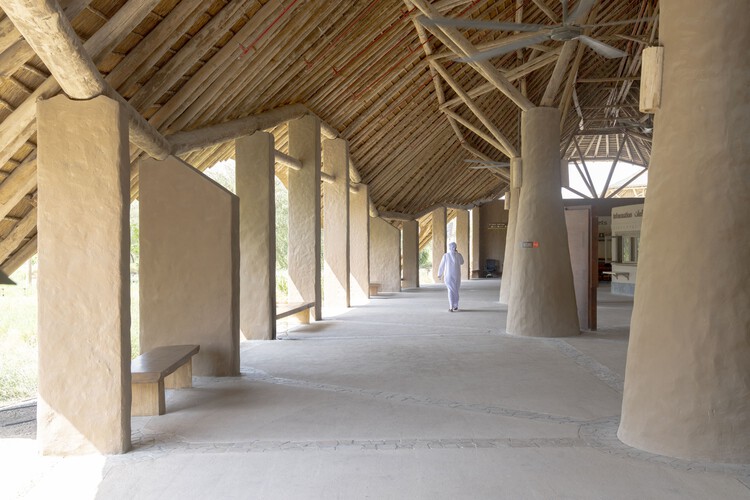
At the core of Sharjah Bridi Park Architecture lies a design philosophy inspired by traditional African building traditions. The architects conducted extensive research into vernacular architecture found across various African regions. These traditional forms influenced the structural language, material choices, and spatial organization used throughout the project.
Rather than directly replicating traditional structures, the design team translated these architectural ideas into a contemporary expression. The resulting buildings combine historical inspiration with modern construction methods. This balance allows the project to maintain authenticity while meeting modern performance and durability standards.
One of the defining elements of Sharjah Bridi Park Architecture is its sculptural building form. The structures appear to emerge naturally from the surrounding terrain. Their shapes evoke organic forms found in nature, creating a visual connection between architecture and landscape.
This approach reflects a broader philosophy of environmental integration. Instead of imposing rigid structures onto the landscape, the architecture responds to the natural terrain and vegetation. The buildings appear to grow from the earth rather than sit on top of it.
A major component of the design process focused on the development of thatched roofing systems suitable for the local climate. Thatched roofs have long been used in traditional African architecture because of their strong environmental performance. They provide natural insulation and help regulate interior temperatures.
The architects studied how these roofing systems could adapt to the environmental conditions of the Al Bridi Reserve. Their research examined ventilation performance, shading capacity, and durability under desert climate conditions. The goal was to retain the authenticity of traditional materials while ensuring modern performance standards.
The final design integrates the thatched roof directly with the building’s timber structure. Instead of functioning as a separate covering, the roof becomes an extension of the wooden framework beneath it. This integrated system creates a unified architectural expression while enhancing structural stability.
Material selection plays a crucial role in defining Sharjah Bridi Park Architecture. Timber forms the primary structural framework for the buildings. The exposed wooden beams create rhythm and visual clarity throughout the structures.
The timber structure establishes a strong architectural framework that supports the overall design language. Its natural warmth adds visual richness while reinforcing the connection between the buildings and the surrounding environment.
Paired with the timber framework, the thatched roofing introduces softness and texture. The natural fibers of the thatch produce a layered surface that interacts beautifully with sunlight. As light passes through the material, it creates subtle variations in brightness within the interior spaces.
The combination of timber and thatch also improves environmental performance. The roofing material filters sunlight and reduces heat gain inside the buildings. This natural cooling effect decreases the reliance on mechanical climate control systems.
Environmental responsiveness remains a guiding principle of Sharjah Bridi Park Architecture. The design prioritizes passive environmental strategies rather than relying solely on technological solutions. Natural ventilation, shading, and thermal insulation help maintain comfortable interior conditions throughout the year.
The buildings also interact visually with the surrounding vegetation. Their earthy materials and organic forms allow them to blend into the natural setting. Instead of dominating the landscape, the architecture becomes part of the ecological environment.
The layout of the development further strengthens this relationship between nature and architecture. Buildings are arranged in a way that encourages movement through the reserve while maintaining open views of the landscape. Visitors experience a sequence of architectural spaces that reveal different aspects of the surrounding ecosystem.
Educational functions play an important role within Sharjah Bridi Park Architecture. The project includes facilities designed for environmental learning and research activities. These spaces support educational programs focused on African wildlife, ecosystems, and conservation practices.
Visitors can engage with exhibits, educational programs, and guided activities that highlight biodiversity and ecological research. The architecture provides flexible spaces where learning and exploration can take place naturally.
Retail and hospitality spaces within the development support visitor services while maintaining architectural consistency. These areas provide opportunities for relaxation and refreshment during visits to the reserve. Their design follows the same material palette and structural language used throughout the project.
Public gathering spaces also form an essential component of the architectural plan. These areas encourage visitors to pause, observe, and connect with the surrounding landscape. Carefully positioned viewing areas allow guests to appreciate the natural environment while remaining integrated with the built structures.
The overall composition of Sharjah Bridi Park Architecture creates a cohesive architectural landscape. Each structure contributes to a unified visual identity while serving its own functional purpose. Together, the buildings form a harmonious network that supports both tourism and ecological education.
Architectural durability was another important consideration during the design process. While natural materials play a central role in the visual identity of the project, the structures were engineered to meet modern construction standards. The design ensures that the buildings remain resilient while maintaining their organic character.
The final result represents a thoughtful blend of cultural inspiration, environmental sensitivity, and architectural innovation. Sharjah Bridi Park Architecture demonstrates how traditional design principles can inform contemporary architecture while respecting ecological contexts.
By drawing inspiration from African vernacular traditions and adapting them for a modern setting, the architects created a unique environment that celebrates learning, exploration, and sustainability. The project stands as an example of how architecture can support both environmental awareness and immersive visitor experiences.