



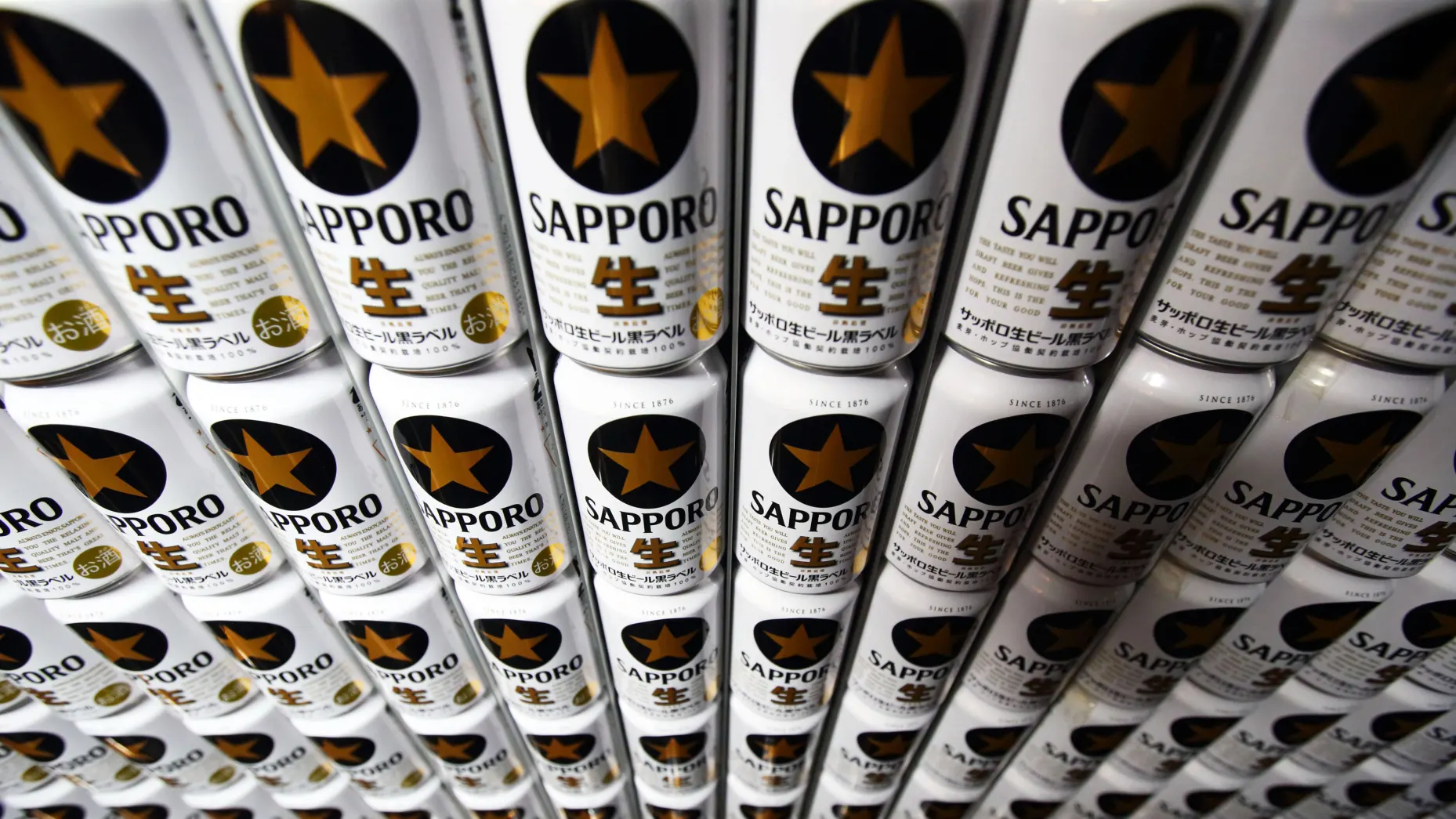

Sapporo Holdings has agreed to a major Sapporo real estate sale, divesting its property business to global investment giants KKR and PAG. The landmark deal, valued at 477 billion yen (approximately $3 billion), signals a strategic refocus on the company’s world-famous beer brewing operations. Consequently, this move will funnel significant capital back into its core alcoholic beverages division.
Deal Overview and Strategic Shift
The joint investment consortium, comprising U.S.-based KKR and Asia-focused PAG, will acquire Sapporo’s entire real estate portfolio. This $3 billion deal includes substantial debt and highlights Sapporo’s commitment to streamlining its corporate structure. Following the announcement, Sapporo’s shares rose 3.7%, reflecting investor approval of the strategic pivot. The company stated it will now “focus on and further strengthen its alcoholic beverages business, where it has competitive advantages.”
Prime Asset: Yebisu Garden Place
The crown jewel of the Sapporo real estate sale is the iconic Yebisu Garden Place in Tokyo. This popular tourist complex houses the historic Yebisu Brewery, high-end restaurants, and luxury shops. Its inclusion in the deal underscores the portfolio’s premium value. However, reports indicate some assets require significant investment for repairs and safety upgrades, a factor that complicated earlier negotiations.
Concentrating on the Core Beer Business
Sapporo’s primary motivation is clear: to concentrate management resources on its foundational beer business. The proceeds from this Sapporo real estate sale will be strategically reinvested. Plans include strengthening customer engagement and expanding product offerings, such as healthier beverage choices. This refocus allows the company to direct capital and executive attention toward global market competition and innovation in brewing.
A Tumultuous Path to Agreement
The path to this deal was not straightforward. Back in October, Nikkei reported that Sapporo had granted exclusive negotiation rights to the KKR-PAG consortium. However, talks stalled the next month over valuation disputes, particularly concerning the cost of renovating aging properties. Subsequently, Sapporo opened the process to other suitors, including a consortium of Lone Star Funds and Kenedix. Ultimately, KKR and PAG returned with a successful bid, showcasing the enduring appeal of prime Japanese real estate to global investors.
Investor Implications and Market Reaction
This $3 billion deal is one of the largest in Japan’s recent real estate market. For KKR and PAG, it represents a major foothold in a prestigious commercial portfolio within a key global city. Hiro Hirano, CEO of KKR Japan, emphasized the value of their “global network, investment experience and deep operational expertise” in managing the assets’ next growth phase.
The market’s positive reaction suggests strong confidence in Sapporo’s refined strategy. By shedding a capital-intensive division, the company can improve its balance sheet and operational agility. Additionally, global trends in such deals are often tracked by financial authorities like the Japan Exchange Group.
In conclusion, the Sapporo real estate sale to KKR and PAG is a definitive strategic retreat from diversification. It marks a return to the company’s brewing roots, powered by a significant infusion of capital. This transaction will undoubtedly reshape Sapporo’s future, allowing it to pour all its efforts into becoming an even stronger player in the global beer industry.