





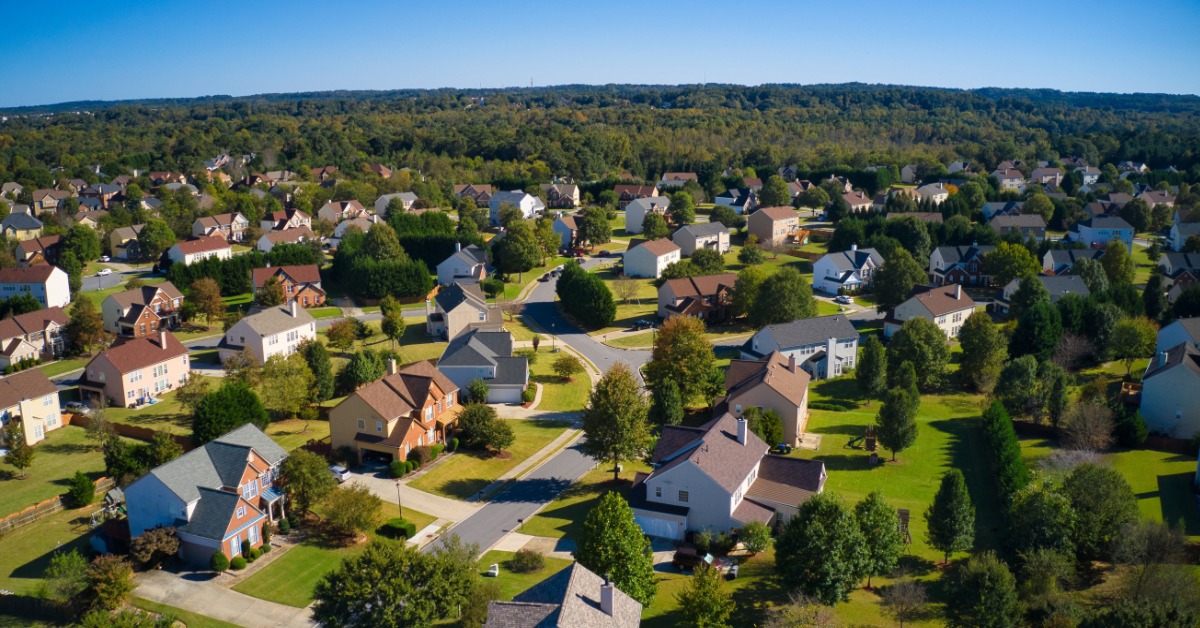

For years, the US real estate conversation revolved around coastal markets, rapid appreciation, and speculative growth. However, as investors become more disciplined and cash flow-focused, the Midwest has re-emerged as one of the most attractive regions for long-term real estate investment. In 2026, Midwest markets stand out for their affordability, resilient rental demand, diversified economies, and predictable returns.
Rather than extreme price volatility, the Midwest offers something many investors now prioritize: stability. Lower entry prices, strong tenant demand, and steady appreciation create an environment where wealth is built gradually but reliably. For investors focused on rental income, portfolio scaling, and risk management, the Midwest presents some of the strongest fundamentals in the US housing market.
Why the Midwest Attracts Real Estate Investors in 2026
The Midwest’s investment appeal is rooted in structural advantages that continue to hold firm in 2026. Property prices remain closely tied to local incomes, preventing the sharp affordability distortions seen in other regions. This alignment supports sustainable rental demand and limits downside risk.
Key drivers include:
- Lower acquisition costs compared to coastal and Sun Belt markets
- Strong cash flow due to favourable rent-to-price ratios
- Diverse employment bases in healthcare, manufacturing, logistics, and education
- High renter populations in urban cores and surrounding suburbs
- Slower but more predictable appreciation trends
For investors prioritising income stability over speculation, these characteristics are particularly compelling.
Cleveland: High-Yield Cash Flow Market
Cleveland continues to rank among the strongest Midwest markets for pure cash flow. Home prices remain among the lowest of any major US metro, creating an unusually attractive rent-to-price dynamic.
Average home values in Cleveland hover just above $100,000, while rental demand remains strong across much of the city. Median rents commonly exceed $1,200 per month, producing gross rental yields that outperform most large US markets. This makes Cleveland especially appealing for investors focused on income generation rather than appreciation.
While population growth is modest, Cleveland’s high renter share and cost-of-living advantage sustain consistent demand. Investors who focus on well-located neighbourhoods and property condition can achieve strong long-term returns despite slower price growth.
Indianapolis: Balanced Growth and Stability
Indianapolis represents one of the most balanced investment environments in the Midwest. It combines moderate home prices with strong economic expansion, making it attractive for both cash flow and appreciation-oriented investors.
Home values in Indianapolis are higher than Cleveland but remain affordable relative to national averages. At the same time, rental demand is supported by population growth, job creation, and a diversified economy anchored in logistics, healthcare, life sciences, and advanced manufacturing.
Rental yields are solid rather than extreme, but investors benefit from lower vacancy rates, landlord-friendly regulations, and consistent rent growth. Indianapolis is often viewed as a lower-risk, long-term hold market well-suited for portfolio stability.
Kansas City: Diversified Economy and Steady Demand
Kansas City has evolved into a highly attractive Midwest investment market due to its economic diversity and growing regional influence. Housing prices have moderated after rapid growth earlier in the decade, creating a more balanced environment for buyers in 2026.
Rental demand remains strong, supported by job growth in logistics, healthcare, technology, and manufacturing. While rental yields are slightly lower than in Cleveland or parts of Saint Louis, they are offset by stronger liquidity, higher-quality housing stock, and broader tenant demand.
Kansas City appeals to investors seeking steady performance, moderate appreciation, and long-term market resilience rather than short-term yield maximisation.
Saint Louis: Value Opportunities with Urban Upside
Saint Louis offers a unique investment profile characterised by sharp contrasts between city neighbourhoods and the wider metropolitan area. This creates opportunities for investors willing to be selective and strategic.
Within the city, lower property prices paired with solid rental demand can generate attractive yields. In the broader metro area, higher-priced homes offer stability and modest appreciation. This dual-market structure allows investors to tailor strategies based on risk tolerance and return objectives.
Economic drivers in healthcare, logistics, education, and emerging technology continue to support employment and housing demand. Infrastructure investment and urban redevelopment initiatives further strengthen Saint Louis’s long-term outlook.
Comparative Investment Characteristics Across Key Midwest Markets
Across these four markets, several themes emerge clearly in 2026. Cleveland leads in rental yield and affordability. Indianapolis excels in economic growth and balance. Kansas City offers diversification and market depth. Saint Louis provides value-driven opportunities with urban revitalisation potential.
Rather than choosing a single “best” market, many experienced investors diversify across multiple Midwest cities to balance yield, appreciation, and risk exposure.
Broader Market Conditions Shaping Midwest Real Estate in 2026
Macro conditions in 2026 continue to favour Midwest investment. Mortgage rates have stabilised compared to earlier peaks, inventory levels are gradually improving, and wage growth in many Midwest cities has helped support rental affordability.
Local governments across the region are also increasingly supportive of housing development, zoning reform, and infrastructure upgrades. This policy environment reduces regulatory friction and encourages long-term market health.
Institutional investors have also increased their presence in Midwest single-family rentals, validating the region’s fundamentals while reinforcing demand for quality housing.
Strategic Takeaways for Investors
The Midwest in 2026 rewards disciplined, fundamentals-driven investing. Rather than relying on speculative appreciation, successful investors focus on neighbourhood quality, tenant demand, operating efficiency, and long-term holding strategies.
Cleveland suits investors prioritising high cash flow and low entry costs. Indianapolis fits those seeking steady growth and economic strength. Kansas City appeals to investors valuing diversification and liquidity. Saint Louis offers selective value plays with upside potential.
Across all markets, detailed local due diligence remains essential. However, for investors seeking reliable income and manageable risk, the Midwest stands out as one of the strongest real estate investment regions in the United States.