




Making a House Look Modern: 9 Proven Design Tips
Designing a modern home requires intentional choices, and making a house look modern often comes down to simplifying layouts, choosing clean finishes, and embracing functional elegance. Whether you’re planning a new build or updating an existing property, modern design principles can help you transform your home into a contemporary living space.
1. Simplify the Floor Plan
One of the most noticeable differences between traditional and modern homes is the floor plan layout. Traditional designs often feel disorganized, with rooms awkwardly placed. Modern homes, by contrast, embrace straightforward, geometric, and intentional layouts.
Tip: Group public spaces like living and dining rooms together, and align private spaces such as bedrooms in one logical zone. A clear circulation path creates flow and order.
2. Create an Open Layout
Modern homes thrive on open floor plans, where living, dining, and kitchen spaces seamlessly connect. Removing unnecessary walls allows natural light to flood deeper into the home and makes spaces more flexible for entertaining or daily life.
Tip: Consult with a structural engineer before knocking down walls. If beams are required, they can often be integrated into a sleek modern design.
3. Streamline the Roof Design
Roof design is one of the clearest indicators of style. While traditional homes often feature pitched and gabled roofs, modern houses typically use flat roofs or simple sweeping rooflines.
Tip: If a full roof redesign isn’t feasible, simplify roof details—opt for minimal overhangs, clean edges, and unobtrusive gutters.
4. Upgrade Window Design
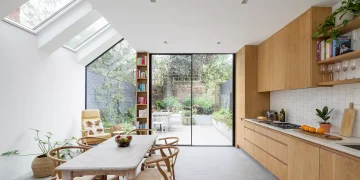
Windows define how a home feels. Traditional homes often use smaller, standard windows, while modern homes embrace large expanses of glass or full-height window walls to connect indoors and outdoors.
Tip: Replace standard windows with slender-profile frames and floor-to-ceiling glass where possible.
5. Maximize Storage with Clean Lines
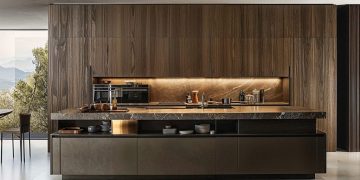
Modern living emphasizes clutter-free design. Built-in cabinetry with flat slab fronts and open shelving creates sleek, functional spaces. Avoid ornate panels or heavy trims common in traditional cabinetry.
Tip: Opt for integrated storage solutions from modern brands like Ikea or commission custom minimalist cabinetry.
6. Simplify Details and Trim
Modern design avoids excessive ornamentation. Instead of decorative crown molding or busy baseboards, choose minimal trim profiles or even flush detailing for a cleaner look.
Tip: On interiors, consider smooth painted finishes and large-format tiles for walls and floors to avoid visual clutter.
7. Use Modern Materials
Materials play a key role in making a house look modern. Modern design favors consistent textures and large surfaces—think polished concrete, wide wood planks, glass, and steel.
Tip: For flooring, opt for wide plank hardwood or polished concrete. For exteriors, consider smooth stucco or larger panel siding.
8. Stick to a Neutral Color Palette
Modern interiors are light, airy, and neutral. Whites, soft grays, and natural tones dominate, while bold colors are used sparingly as accents.
Tip: Avoid heavy browns or cream tones. Instead, let large windows and outdoor views influence your interior color scheme.
9. Choose Minimal Fixtures and Furniture
Fixtures, appliances, and furnishings are the finishing touches that define modern style. Look for sleek, simple designs with satin nickel or stainless-steel finishes.
Tip: Swap outdated light fixtures for recessed or adjustable lighting, and choose furniture with clean lines over ornate styles.
Final Thoughts
Ultimately, making a house look modern is about intentional simplicity. From streamlined floor plans to neutral palettes and minimalist furniture, every detail should work together to create harmony and elegance. If you want expert guidance, consider working with an architect or designer specializing in modern residential design.