







Asset valuation is the process of determining the economic value of a company’s assets — whether physical items like buildings and equipment, intangible assets like patents and brands, or financial assets such as stocks and bonds. Accurate asset valuation is essential for financial reporting, investment decisions, mergers and acquisitions, lending, and strategic planning. This article explains the most widely used valuation methods, key considerations, and best practices to ensure reliable results.
What Is Asset Valuation and Why It Matters
Asset valuation helps individuals and businesses estimate the worth of what they own. Whether you are buying a business, applying for a loan, preparing financial statements, or planning an exit strategy, knowing the value of your assets is critical.
Good asset valuation:
- Supports decision‑making for investors, lenders, and managers
- Ensures fair pricing in transactions like sales or acquisitions
- Improves financial reporting with accurate balance sheet values
- Helps assess risk and investment potential
Valuation must be objective, transparent, and based on consistent methods accepted by accounting and finance standards.
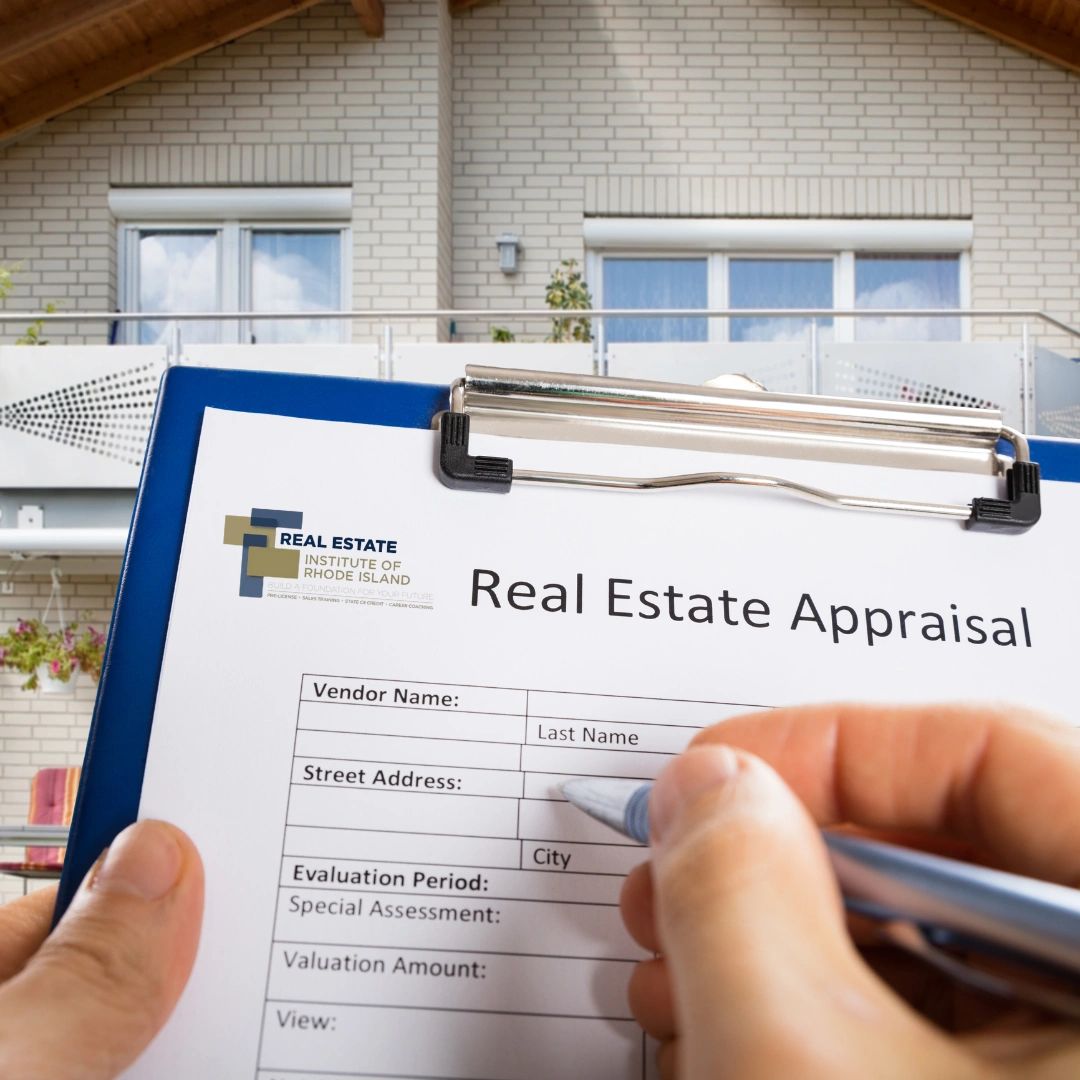
Common Asset Valuation Methods
There is no single method that fits every situation. The choice depends on the type of asset, availability of data, and purpose of valuation. The three main approaches are the market approach, income approach, and cost approach.
1. Market Approach
The market approach uses data from comparable assets sold in the open market. It is common for real estate, publicly traded securities, and businesses when similar transactions exist.
How It Works
- Identify recent transactions involving similar assets
- Adjust values for differences in size, condition, or features
- Use averages or ranges from comparable sales
Example: Valuing a piece of property by comparing it with recent sales of similar properties in the same neighborhood.
Pros
- Simple and intuitive when good comparables are available
- Reflects real market activity
Cons
- Not suitable when there are few comparable sales
- Market conditions may change quickly
2. Income Approach
The income approach estimates value based on the expected future benefits from the asset — typically future cash flows — discounted to present value. This method is widely used for businesses, investment properties, and financial assets.
Key Technique: Discounted Cash Flow (DCF)
- Forecast future cash flows the asset is expected to generate
- Apply a discount rate to convert future values into present value
- Sum discounted cash flows to estimate value
Why Use DCF?
It captures the time value of money — the idea that money available today is worth more than the same amount in the future.
Pros
- Useful for income‑producing assets
- Reflects future earning potential
Cons
- Requires reliable forecasts
- Sensitive to discount rate assumptions
3. Cost Approach
The cost approach (also called replacement cost) values an asset based on the costs to replace or reproduce it, minus depreciation or wear and tear. It is useful for specialized assets like machinery, infrastructure, or unique property.
How It Works
- Estimate the cost to build or acquire a similar asset at current prices
- Subtract depreciation due to age, condition, or obsolescence
Pros
- Works well when market or income data are scarce
- Based on observable cost figures
Cons
- May not reflect true market value if buyers value the asset differently
- Depreciation estimates can be subjective
Valuing Different Types of Assets
Different assets may require tailored valuation methods:
Tangible Fixed Assets
- Buildings, land, equipment, and vehicles are often valued using market or cost approaches.
- Real estate typically uses market comparisons, while specialized equipment may rely on cost.
Intangible Assets
- Intellectual property, brands, customer lists, and patents are usually valued through income approaches (e.g., DCF).
- Estimating future cash flows tied to the intangible component is key.
Financial Assets
- Stocks and bonds traded publicly have observable market prices.
- Private shares may be valued using market multiples from similar companies.
Best Practices for Asset Valuation
Accurate valuation is not just about applying a method; it requires careful planning, documentation, and professional judgment. These best practices help ensure credible results:
1. Clarify the Purpose of Valuation
Determine why the valuation is needed. Purposes may include:
- Financial reporting or auditing
- Selling or acquiring assets
- Loan collateral
- Tax compliance
- Strategic planning
Each purpose may require specific standards or levels of rigor.
2. Use Multiple Methods
When possible, use more than one approach and compare results. For example:
- Use market and income approaches for a business valuation
- Reconcile differences to understand valuation drivers
This helps validate the result and highlights potential risks.
3. Ensure Reliable Data
Accurate inputs are essential:
- Use recent market data for comparables
- Base cash flow forecasts on realistic assumptions
- Check cost estimates with current pricing
Poor data leads to misleading valuations.
4. Apply Appropriate Discount Rates
When using income approaches:
- Choose a discount rate that reflects risk and expected return
- Higher risk assets require higher discount rates
Professional judgment and market benchmarks improve reliability.
5. Document Assumptions Clearly
Transparency in assumptions and calculations allows reviewers to understand how the valuation was derived. Clear documentation is especially important for audits or legal purposes.
6. Revalue Periodically
Asset values change over time due to market conditions, wear and tear, and economic trends. Regular revaluation ensures financial statements remain accurate.
Common Challenges in Asset Valuation
Lack of Comparable Data: For unique assets or emerging markets, comparable sales may not exist. Analysts may need to be creative or rely more on income or cost methods.
Forecast Uncertainty: Future cash flows are projections and carry risk. Sensitivity analysis — testing how value changes with different assumptions — helps gauge uncertainty.
Subjectivity in Estimates: Estimating depreciation, useful life, or growth rates can be subjective. Professional judgment and industry standards help reduce bias.
Conclusion
Asset valuation is a vital part of financial decision‑making. Whether you are an investor, business owner, or financial professional, understanding the methods and best practices for valuation helps ensure accurate assessments of worth. By selecting appropriate approaches — market, income, or cost — and adhering to rigorous standards, you can make informed decisions that reflect both current conditions and future expectations. Clear documentation, quality data, and regular review further enhance the credibility and usefulness of valuation results.