




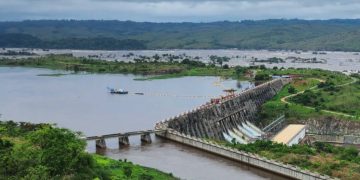


Infrastructure construction is the foundation of modern societies, enabling the systems that support transportation, utilities, and communications. From roads and power grids to fiber-optic networks, infrastructure projects ensure communities remain connected, resilient, and economically active. These projects require careful planning, collaboration, and significant investment to meet growing societal needs.
Understanding Infrastructure Construction
At its core, infrastructure construction involves the design, building, and maintenance of essential systems. These systems include roads, bridges, power grids, water pipelines, and communication networks. Together, they form the backbone of daily life, ensuring access to services, mobility, and connectivity.
The field encompasses three main sectors: transportation networks, utilities, and communication systems. Each plays a distinct yet interconnected role in supporting economies and communities.
Transportation Networks
Transportation infrastructure covers highways, railways, bridges, tunnels, and airports. These systems facilitate the efficient movement of goods and people. Advanced planning ensures traffic flows smoothly, reduces congestion, and improves safety.
In urban areas, high-speed rail systems and public transit upgrades are transforming mobility while reducing carbon emissions. Bridges and tunnels represent complex engineering feats, requiring durable materials and innovative methods to withstand environmental challenges. These investments not only support commerce but also foster sustainability by promoting greener mobility.
Utilities and Essential Services
Utility systems deliver the services that sustain life and industry. Reliable water supply, wastewater treatment, and power distribution are critical components. Infrastructure construction in this sector involves pipelines, treatment facilities, power plants, and transmission lines.
With the global shift toward renewable energy, new solar and wind facilities are being built while older grids are modernized. These projects are crucial for reducing dependence on fossil fuels and ensuring a sustainable energy future.
Communication Systems
The digital era depends on advanced communication networks. This sector covers cellular towers, satellite systems, and fiber-optic cables. These projects enable global connectivity, business operations, healthcare, and education.
Robust communication systems are also central to the rise of smart cities. IoT sensors and data-driven technologies enhance urban services, improve mobility, and make cities more responsive to residents’ needs. Reliable connectivity also bridges gaps in underserved regions, fostering inclusivity and economic opportunity.
Processes in Infrastructure Development
Large-scale projects progress through several stages, each critical to their success:
- Project Planning: Defines goals, scope, and timelines while involving stakeholders such as governments and communities.
- Funding Models: Public-private partnerships (PPPs) often provide financing, combining government oversight with private sector expertise.
- Regulatory Approvals: Securing environmental, safety, and building compliance through detailed assessments.
- Risk Management: Identifying financial, technical, and environmental risks early and developing strategies to address them.
These processes ensure projects remain feasible, compliant, and aligned with societal needs.
Challenges in Infrastructure Construction
Infrastructure development faces significant modern challenges:
Sustainability and Environmental Concerns
Projects consume vast natural resources, often affecting ecosystems. The industry is adopting recycled materials, green building methods, and renewable energy to reduce environmental footprints. Climate resilience has become a priority, with infrastructure designed to withstand extreme weather events.
Integration of Smart Technologies
IoT and AI are revolutionizing how infrastructure is built and maintained. From predictive maintenance to traffic optimization, these tools improve efficiency and reduce costs. However, high investment requirements and the need for skilled expertise remain obstacles to widespread adoption.
Economic and Social Benefits
Job Creation
Infrastructure construction projects generate millions of jobs in engineering, construction, and project management. They also help workers gain specialized skills that strengthen the overall labor market.
Economic Growth
Efficient infrastructure reduces logistical costs, streamlines supply chains, and attracts business investments. Upgrades in transportation and utilities open new markets and support regional development.
Improved Quality of Life
Communities benefit directly from reliable water, electricity, and digital connectivity. Reduced commute times, better healthcare access, and modern public services elevate living standards and strengthen resilience.
The Bottom Line
Infrastructure construction is not just about building roads or power plants—it is about shaping societies for long-term progress. By addressing environmental challenges and embracing smart technologies, infrastructure projects can drive economic growth, create sustainable cities, and improve daily life for millions.
As global challenges intensify, continued investment and innovation in this field will be essential to building a more resilient, connected, and sustainable future.