





Flexible office company Industrious is reporting dramatic expansion one year after its acquisition by commercial real estate giant CBRE. The firm increased its global footprint by 58% in 2025, now operating more than 250 locations across over 100 cities. This impressive Industrious growth is defying the sluggish recovery of the traditional office sector. The company projects a 100% increase in new signings for the coming year. CEO Jamie Hodari cites a fundamental corporate shift towards improving workplace experience in satellite offices as a primary catalyst. Consequently, Industrious growth is being fueled by demand in neighborhoods and smaller cities, not just central business districts. The firm’s asset-light management model is proving resilient and attractive to building owners.
Corporate Demand Drives Industrious Growth
The central engine behind Industrious growth is a strategic corporate need. Large companies are pushing for office returns but struggle to replicate headquarters-quality experiences in smaller regional offices. Firms like JPMorgan or Google find it difficult to operate engaging, well-appointed spaces for dozens of employees outside major hubs. Industrious solves this by providing a consistent, hospitality-grade environment. This allows corporations to offer employees a superior workplace experience anywhere, aiding retention and satisfaction. The focus has shifted from mere desk space to curated office culture and community. Therefore, Industrious growth is less about individual freelancers and more about enterprise clients seeking turnkey, high-quality solutions for distributed teams. This demand is structural and appears durable.
Neighborhood Expansion and Suburban Shift
A significant trend underpinning Industrious growth is geographic diversification. Of its last 50 openings, a disproportionate number are located in neighborhoods and suburban areas. This reflects a broader post-pandemic migration where employees desire shorter commutes. People increasingly want to walk, bike, or drive only minutes to work. Landlords in these markets often have too little modern, amenitized space, creating an opportunity. Industrious fills this gap by bringing Class A office experiences to secondary locations. This strategy taps into the hybrid work model, where employees split time between home, a local flexible office, and a central headquarters. The neighborhood focus is a deliberate pivot from the dense urban cores that dominated the pre-pandemic coworking landscape.
The Asset-Light Management Agreement Model
A key differentiator fueling Industrious growth is its business structure. Unlike traditional operators who lease entire buildings, Industrious functions like a hotel management company. It enters into profit-sharing agreements with landlords to operate a portion of their building. This model splits both revenue and risk, preventing Industrious from being burdened with massive, fixed lease obligations. For landlords, particularly of struggling Class B properties, it provides a proven operator to revitalize vacant space and enhance the building’s overall appeal. This asset-light approach makes the company more resilient during economic downturns. It also allows for faster capital-efficient expansion, as the firm isn’t required to make large upfront investments in real estate leases. This strategic flexibility is a core component of its expansion playbook.
Hospitality Focus and Tenant Diversification
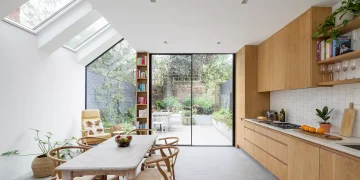
Industrious growth is also attributed to its specific service philosophy. The company designs spaces to feel like boutique hotels rather than transactional offices. This hospitality focus includes curated design, attentive service, and community programming. This environment attracts a diverse tenant mix, from small startups to large corporate teams. This diversification strengthens the business model by reducing reliance on any single client segment. For building owners, an Industrious operation brings vibrancy and “cool factor” to a property, helping to lease other spaces. The company often acts as an amenity and traffic driver for the entire building, making it a valuable partner for landlords aiming to reposition their assets in a competitive market.
Market Context and Sector Risks
Industrious growth occurs within a flexible office market projected to explode from $54.59 billion in 2025 to $147.2 billion by 2033. The firm now ranks third globally behind IWG’s Regus and WeWork. However, the sector carries inherent volatility. CEO Jamie Hodari acknowledges that flexible office is a “sector that overperforms in good times and underperforms in bad times.” During a recession, long-term leasing may decline modestly, while flex space demand could drop precipitously, as witnessed during Covid-19. Despite current strength, the company must navigate economic cycles carefully. Its management model inherently mitigates some risk, but the business remains tied to corporate capital expenditure and employment health. For now, the company reports no immediate pain from softer employment data, suggesting resilient demand.
Outlook and Strategic Position
The outlook for continued Industrious growth appears strong. The company’s integration with CBRE provides unparalleled access to real estate data, client relationships, and capital markets intelligence. This backing legitimizes the brand and accelerates enterprise sales. The strategic focus on managing space for landlords, rather than competing with them, aligns interests and opens more doors. As companies continue to rationalize their real estate portfolios, the demand for flexible, high-quality satellite space is likely to increase. Industrious is positioned to capture this demand through its specialized model and geographic reach. The projected doubling of new signings in 2026 indicates strong forward momentum and confidence in the underlying market shift.
The remarkable Industrious growth story highlights a permanent evolution in workplace strategy. Companies are prioritizing experience and flexibility over mere square footage. Industrious has successfully capitalized on this shift with a capital-efficient model that partners with, rather than challenges, property owners. Its expansion into neighborhoods reflects the enduring change in how and where people work. While the flexible office sector remains cyclical, the company’s structure provides a buffer against downturns. The partnership with CBRE further solidifies its staying power. As the office market continues its slow transformation, Industrious is well-placed to be a defining operator in the new landscape, proving that strategic focus and partnership can drive substantial growth even in a challenged sector.